What are design systems?
Types of design system and what to expect from DWP guidance and patterns
A design system is a set of standards for reusable styles, components, patterns and templates, with guidance on how to use them and how they work together. These standards can change and evolve over time.
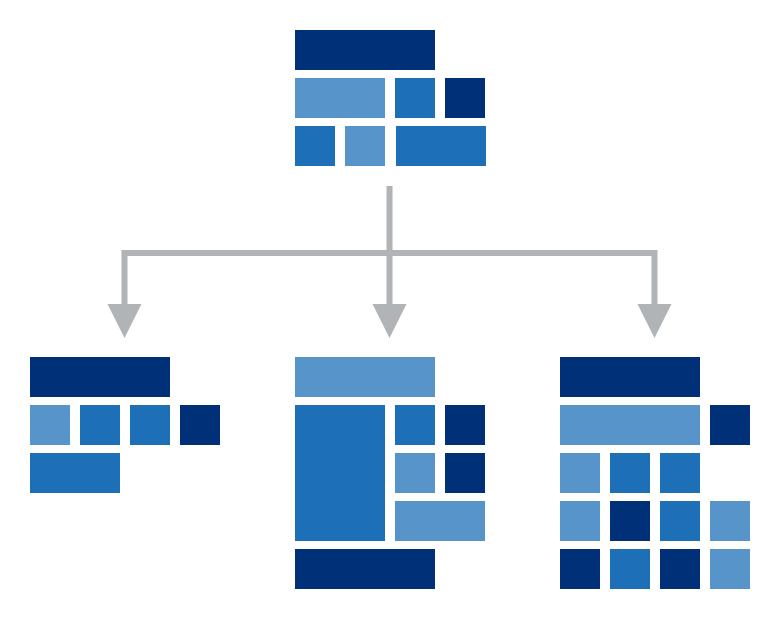
The purpose of a design system is to:
- design efficiently at scale
- maintain a consistent user experience
- communicate best practice
- reduce redundancy, time and effort when building services and interfaces
The GOV.UK Design System is the standard for making sure UK government services are consistent with one another and with GOV.UK.
The DWP Design System extends this with elements that are useful to DWP design teams but do not yet appear in the GOV.UK design system. It also includes patterns specific to internal DWP services, which are not used by the public (for example, caseworking systems).
DWP services will often use elements from both the GOV.UK and DWP design systems.
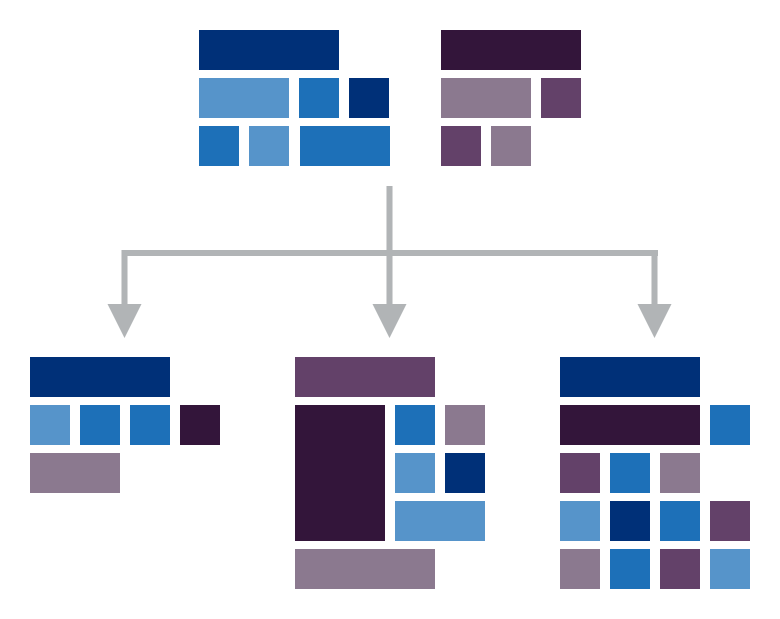
Not all design systems work the same way
Organisations (including other UK government departments) use design systems to meet different objectives and they can operate in different ways.
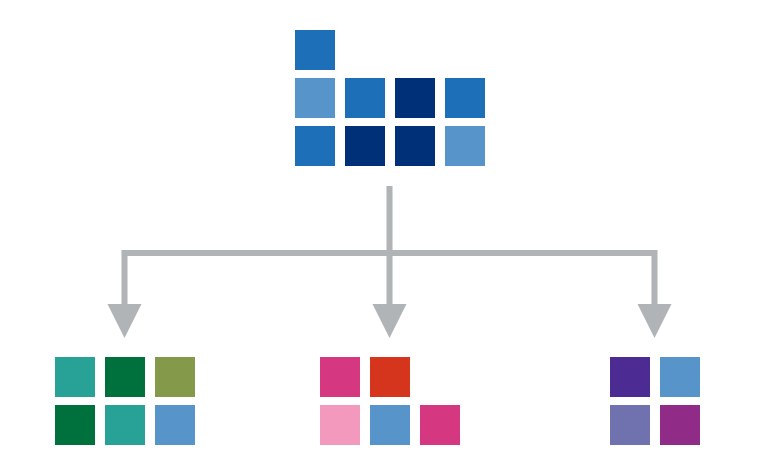
For example, a global e–commerce organisation might have a design system that standardises how each component should work and behave but has no visual styling: regional teams customise them with a local identity, content and conventions.
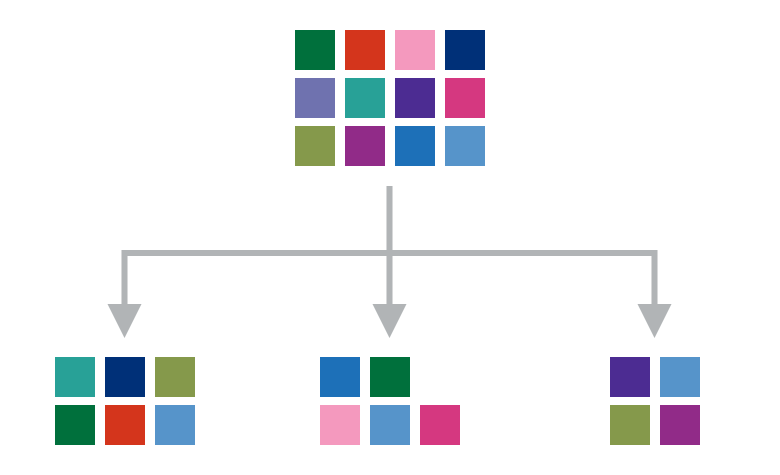
Another example could be a mobile app where the design system is an extension of the organisation’s brand guidelines: all components and patterns are developed by a central design team. The design system in this example dictates the look, feel and experience for users and service teams must strictly implement them without making changes.
The contribution model
Like the GOV.UK Design System and those of other UK government departments, the DWP design system is based on a contribution model. In this model designers use existing patterns but are also expected to contribute improvements and new elements to the system.
First, a designer searches the design system for suitable components, patterns and templates to use in their service.
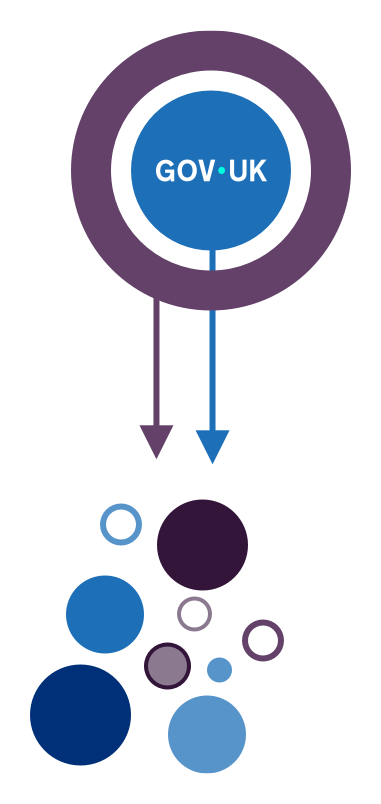
They then conduct research using the standard pattern to find out if it works for their users and in the context of their service. This research is then contributed back to the design system. This is crucial for the success of the system as it tests patterns with real service users, which the design system team cannot do in isolation.
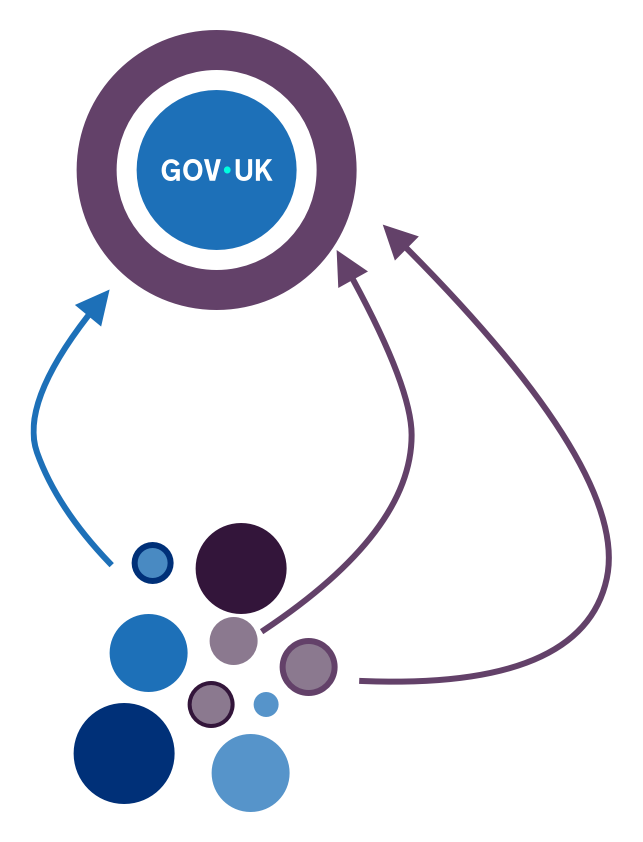
As the design system receives contributions the design system team can improve, validate and grow the maturity of the standards and guidance to give other service teams more robust solutions.
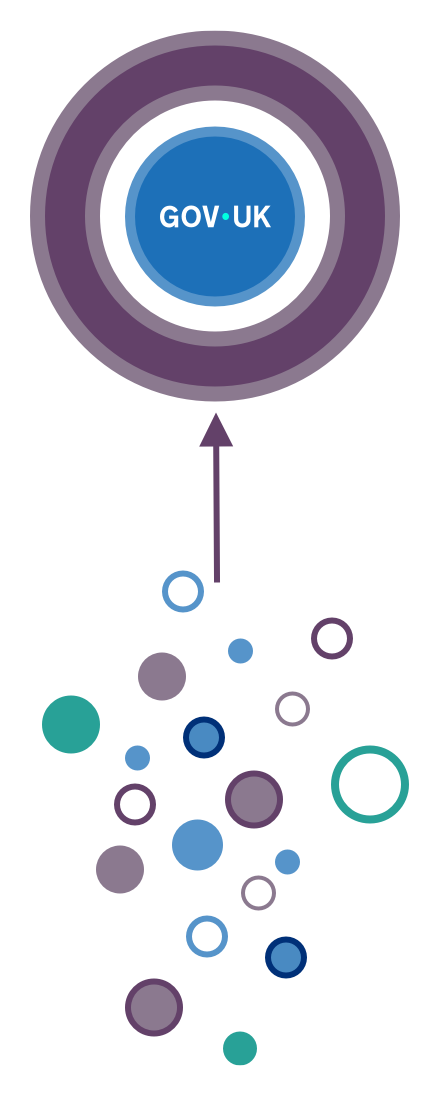
Designers can also propose new solutions to the design system by contributing the problem they are trying to solve, their hypothesis, designs and research.

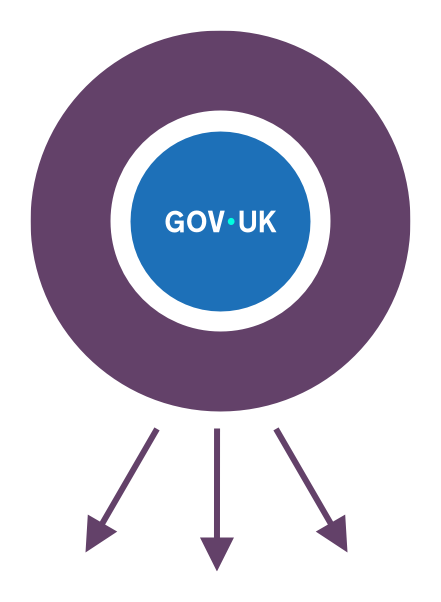
As the design system matures, all its users benefit from more mature and robust standards, saving time and effort when designing new services. If the component is included in a library such as DWP Frontend, any enhancements will be automatically inherited.
How you can contribute
We work mostly with DWP service teams and the DWP user centred design community to establish standards. Where possible we also work with other design system teams and service teams from other UK government departments to share insights and research.
A contribution to the DWP Design System might be:
- hypotheses, learnings and evidence from researching designs in your service’s context
- a consensus view based on the shared knowledge, insights, expertise and experience of the design community
- speculative designs that have been peer-reviewed
- an invitation to attend a research session or demonstration that includes standards from the DWP Design System
When contributing to the design system it is important to include your hypotheses so we can get an understanding of your observations, theories, ideas and expected outcomes. This helps the design system build a traceable body of evidence, with robust rational for standards and any design decisions.
The guidance and documentation are not intended to be permanent and unchanging. Standards evolve through continued research and collaboration, through shared insights and knowledge backed by evidence. The standards in the DWP Design System improve over time as we learn about how they work with new service contexts, user groups and technologies.
What to expect from the DWP Design System
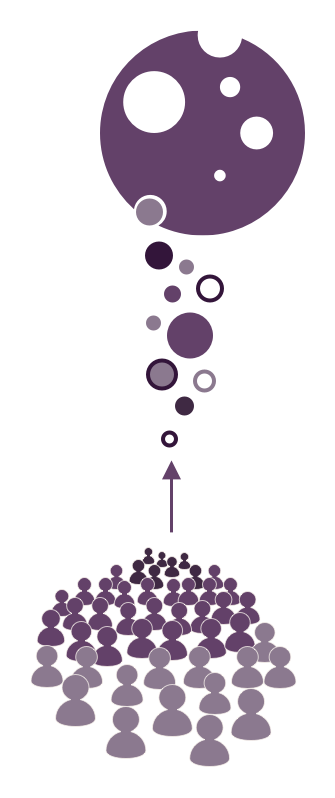
The DWP Design System is not just about components, patterns and guidance. It represents the experience of hundreds of practitioners – their mistakes, experiments and lessons learned – so designers don’t have to repeat this work themselves.
Everything published in the DWP Design System is usable, but service teams should also conduct their own user research in context. A published component is the sum of our knowledge and insights into a thing at a given time: we can never say that something will work perfectly in every situation, but everything we publish is mature enough to be a starting point.
What does this mean in practice?
Developing a standard component, pattern or template takes time. Designers can benefit from the knowledge and insights that have been gathered by the design system team, even if a complete standard has not been established yet.
To do this, we publish guidance and research even when we do not yet have a pattern, component or template that can be used "off the shelf". This early-stage documentation includes:
- what we have learned
- things to consider
- design hypotheses and ideas for testing them
- where design effort should focus
- which problems have been solved or are low priority
- risks and opportunities
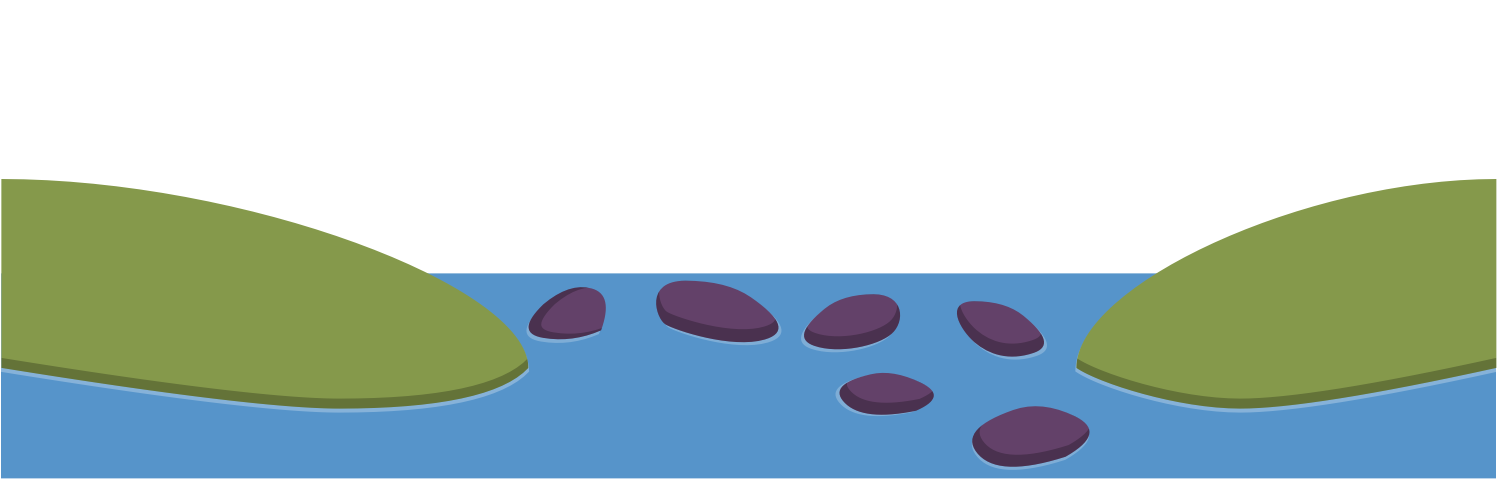
At this stage our documentation is like crossing a river by feeling the way on stepping stones: teams can see the direction they need to go in and a likely route, but they still need to check each step is safe and perhaps try different options as they go.
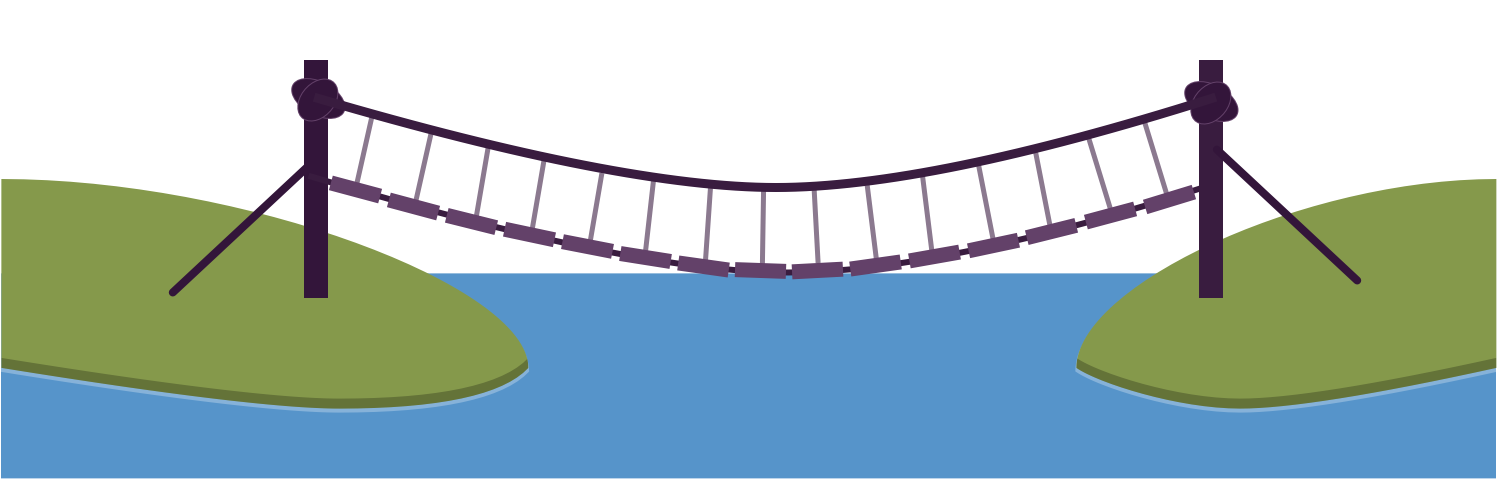
As our knowledge and insights grow for a particular design problem, we publish updates and add more detail. At this stage the pattern is more like a rope bridge: a route that can be taken with some care but whose main steps are fairly well established.
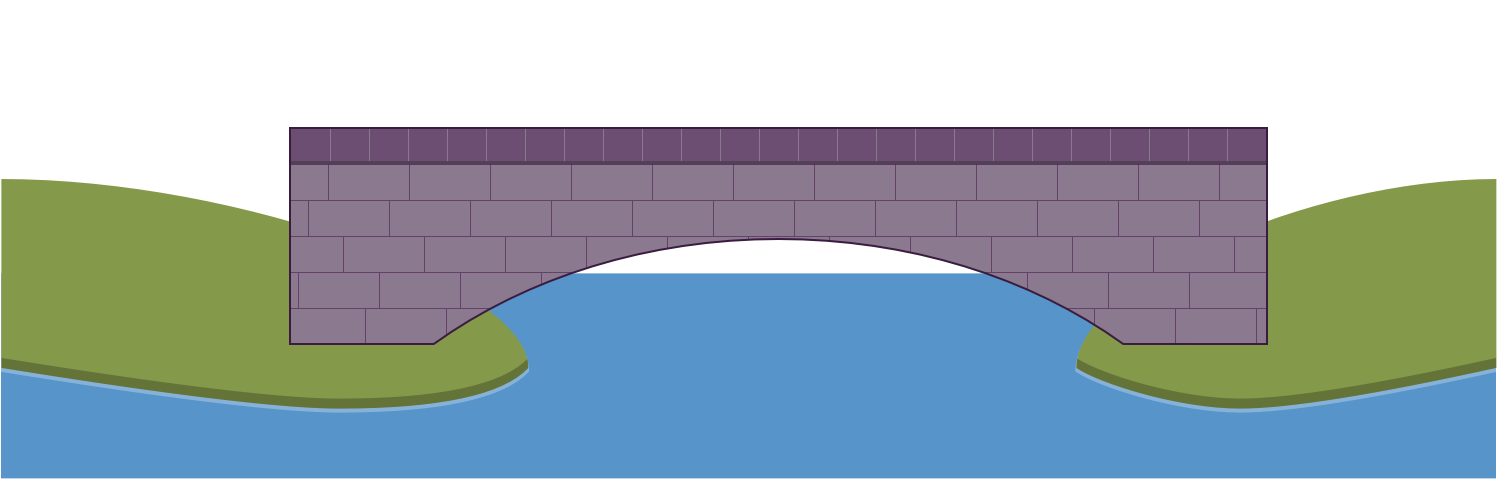
As a pattern is more widely adopted and more insights are contributed, it matures to become a robust standard that is easy to take and doesn't require a lot of new choices. Like a road bridge, it's now much more efficient to take this path rather than developing a new route.
If something is not in the DWP Design System, it means we don’t know enough about that problem to establish an actionable starting point. By engaging with us, sharing the problem space and what you know about something that does not exist – even if it seems insignificant – we can start to document and understand the problem. We can also share work and insights from other designers that's not yet published.
To contribute research, ask questions or suggest something new, email the Design System team.
Could we improve this page?
Send questions, comments or suggestions to the DWP Design System team.